YAMAHA 4KM-18511-00-00 Fork
fits model: Xj750j. make: Yamaha. year: 1982.
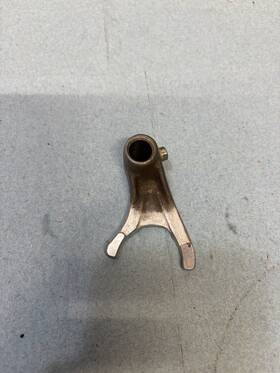
( Manufacturer Part Number: 4KM-18511-00-00 ), ( Part Type: Fork ), ( Manufacturer Warranty: No Warranty ), ( Material: Steel ), ( Universal Fitment: No ), ( Country Of Origin: Japan )
Review YAMAHA Shift Fork #1 fits XJ750J 1982
The **Yamaha 4KM-18511-00-00 1982 XJ750J Fork** is a meticulously crafted, high-performance suspension component designed for the legendary Yamaha XJ750J, a motorcycle celebrated for its balance of power, precision, and timeless engineering. This original fork assembly, manufactured by Yamaha in the early 1980s, represents a pinnacle of early motorcycle suspension technology, featuring a robust **41mm cartridge fork** with a smooth, responsive ride quality that remains unmatched for its era. The fork is constructed from high-grade steel tubing, ensuring durability and rigidity while absorbing road imperfections with remarkable efficiency. Its **dual-rate spring system** allows for adjustable preload, catering to riders of varying weights and preferences, while the **hydraulic damping** provides consistent, fade-resistant performance under both light throttle and aggressive cornering. The **chrome-plated internals** and **black-anodized outer tubes** not only enhance aesthetics but also contribute to corrosion resistance, a critical feature for a motorcycle intended for both daily commuting and spirited touring. This fork is a sought-after restoration piece for enthusiasts seeking to revive their XJ750J s original handling characteristics or for collectors aiming to preserve the motorcycle s authentic vintage appeal. Whether integrated into a fully restored classic or paired with modern components for a hybrid build, the 1982 Yamaha XJ750J fork delivers a blend of nostalgia and functional excellence, embodying the spirit of Japanese motorcycle innovation from an era when simplicity and performance were seamlessly intertwined.
### **Pros and Cons of buying a Yamaha 4KM-18511-00-00 (1982 XJ750J Fork)**
#### **Pros:**The 1982 Yamaha XJ750J fork (part number 4KM-18511-00-00) is a classic component with several advantages for riders looking for a vintage or restored bike.
1. **Historical Significance and Collectibility** The XJ750 was one of Yamaha s most influential motorcycles, and its forks are sought after by enthusiasts. Owning original parts can add value to a restoration project or a classic bike.
2. **Proven Reliability** The design is well-tested, with a reputation for durability if properly maintained. Many riders have kept these forks in service for decades with minimal issues.
3. **Ease of Maintenance** Forks from this era are relatively straightforward to service. Parts like seals, springs, and oil are widely available, and basic mechanical skills are sufficient for upkeep.
4. **Compatibility with Modifications** The XJ750 s fork design allows for aftermarket upgrades, such as stiffer springs, custom oil, or modern seals, making it adaptable to modern riding styles.
5. **Lower Cost Compared to New Forks** Original forks are significantly cheaper than modern OEM or high-end aftermarket options, making them a budget-friendly choice for restorers.
6. **Aesthetic Appeal** The classic design of the XJ750 forks adds to the bike s vintage charm, which is desirable for show bikes or period-correct builds.
---
#### **Cons:**While the fork has many strengths, there are also notable drawbacks to consider before purchasing.
1. **Wear and Tear Over Time** Forks from this era are prone to rust, worn bushings, and degraded seals, especially if the bike has been stored improperly. A thorough inspection is essential.
2. **Limited Modern Performance** The suspension design is basic by today s standards, lacking adjustable preload, rebound damping, or compression damping. This can result in a firmer, less comfortable ride compared to modern forks.
3. **Hardware Compatibility Issues** Some modern components (e.g., high-quality seals, springs, or aftermarket internals) may not fit perfectly or may require modifications to install.
4. **Potential for Hidden Damage** Without a detailed inspection, the fork could have internal damage (bent stanchions, cracked housings, or seized bearings) that isn t immediately visible.
5. **Market Availability of Parts** While basic parts exist, some specialized components (e.g., exact replacement seals or springs) may be harder to find than in newer bikes.
6. **Rust and Corrosion Risks** If the bike was stored in a damp environment, the fork could be severely corroded, requiring extensive cleaning and treatment before use.
---
### **Conclusion:**The Yamaha 4KM-18511-00-00 (1982 XJ750J fork) is a **great choice for riders prioritizing authenticity, collectibility, or budget-friendly restoration**. It offers historical value, ease of maintenance, and compatibility with classic bike builds. However, it is **not ideal for riders seeking modern suspension performance or those who want a hassle-free, high-performance fork**.
If you plan to restore or modify the bike extensively, the original fork can be a solid foundation especially if you re willing to invest time in servicing it. For daily riding or performance-focused builds, a modern fork or a high-quality aftermarket replacement (such as a YSS or hlins fork) would be a better investment.
### **Recommendation:**- **Buy if:** You re restoring a classic XJ750, value historical accuracy, and are prepared to inspect and service the fork thoroughly.
- **Skip if:** You want modern suspension performance, plan to ride aggressively, or prefer a more reliable, low-maintenance option.
- **Alternative Consideration:** If you need a fork for a modern bike or want better performance, explore aftermarket options like **YSS, hlins, or modern OEM forks** that offer adjustability and durability.
Always inspect the fork for rust, leaks, and internal condition before purchasing, and consider having a mechanic verify its structural integrity.
Details:
1982 Yamaha XJ750J shift fork #1 4KM-18511-00-00.
part #: 4km185110000 prices
- $5.23-$18.99
specifications transmissioncycleoi:
- for models: Xj750j
- for makes: Yamaha
- for years: 1982
- mpn: 4km-18511-00-00
- part type: Fork
- manufacturer warranty: No Warranty
- material: Steel
- universal fitment: No
- country of origin: Japan
seller transmissioncycleoi:
- rating: 99.0%
- city: Eau Claire, Wisconsin
- # reviews: 719
payments transmissioncycleoi:
- credit card: Diners-club
- other
- wallet: Paypal
returns transmissioncycleoi:
- policy: No Returns
general transmissioncycleoi:
- condition: Used
- Motorcycle Scooter Parts Accessories > Transmission Drivetrain > Other Transmission Drivetrain Parts
shipping transmissioncycleoi:
- service: USPS Ground Advantage
- type: Calculated
- transit: 3-6 Days
- class: Standard
- cost: $0.00
- carrier: USPS
offer transmissioncycleoi:
- quantity: 1
- availability: In Stock
- options: Ship-to-home
- started: January 31, 2026
- sold: 0
Yamaha 4KM-18511-00-00 Is Similar To:
- 12r-18120-01-00 Yamaha Oem Shifter Shift Shaft (34% similar) Removed from: 1982 yamaha XS400 maxim with 16,488 miles please review all pictures to assess the condition of item. The shift shaft is dirty. Free shipping listed flat rate prices are only good for the lower 48 states. 2WHEELMORGUE 1982 yamaha XS400 oem shiftier shift shaft this is in very good ...(October 18th, 2018)
- 164-18571-01 Yamaha Shift Cam Holder For Atmx (36.6% similar) Yamaha part number includes what you see in the actual photo. Fits yamaha YCS1 year 1968 , AT1 years, CT1 g6 1970 , HT1 AT2 1972 , g7 AT3 ATM 1973 , DT125 and RS100. Genuine yamaha oem. Yamaha shift cam holder for YCS1 AT1 CT1 g6 HT1 AT2 g7 AT3 ATM DT125 RS100 new...(June 13th, 2018)
- 16g-18540-00-00 Yamaha 1982 Xj750rj Shift (62.9% similar) Or visit our for tons of great deals on new and used parts. Some bags could be ripped or may have been taped up, hardware missing. Item: 4913: please review all of the photos. Everything shown is included...(January 10th, 2018)
- 170-18351-00 Yamaha Shift Cam Fitting Plate New Old Stock (26.7% similar) Yamaha shift cam fitting plate new old stock this plate,cam is also used on these model's and components: 1967 YDS5 SHIFTER 1967 YM2C SHIFTER1969 DS6C shiftier a 1970 DS6B TD2 CAM-FORK1971 TD2B cam-fork...(October 16th, 2018)
- 1c3-18140-00-00 Yamaha Shift Cam Stopper Lever Assembly Used (35.2% similar) Or visit our for tons of great deals on new and used parts. Item: 6848: please review all of the photos. Everything shown is included. Some bags could be ripped or may have been taped up, hardware missing...(May 23rd, 2018)
- 1c3-18512-00-00 3xv-18531-00-00 Yamaha Yz Stroke Shift Forks Pin Fork Set (43% similar) GSR vers 823 gs I will try my hardest to respond quickly and appropriately your problems. 2018 yamaha YZ125 Z stroke shift forks pin fork set here is a of off 2010 . Combined shipping:i do combine shipping...(May 7th, 2018)
- 1c3-18541-00-00 Yamaha Yz Stroke Shift Drum Cam Selector (42.3% similar) Combined shipping:i do combine shipping yamaha YZ125 Z stroke shift drum cam selector here is a off 2010 . I will try my hardest to respond quickly and appropriately your problems...(May 7th, 2018)
- 1j7-18101-02-00 Yamaha Oem Shifter Shift Shaft (34% similar) Removed from: 1980 yamaha XS850 with about miles please review all pictures to assess the condition of item. Re motor cycle parts this shift shaft is in good condition and shows normal signs of wear...(February 26th, 2018)
- 1j7-18122-03-00 Yamaha Oem Shifter Shift Lever (36.2% similar) Removed from: 1980 yamaha XS850 with about miles please review all pictures to assess the condition of item. Re motor cycle parts this shift lever is in good condition and shows normal signs of wear...(February 26th, 2018)
- 1j7-18511-00-00 1j7-18512-00-00 1j7-18513-00-00 Yamaha Oem Shift Forks (50.8% similar) Removed from: 1980 yamaha XS850 with about miles please review all pictures to assess the condition of item. Re motor cycle parts these shift forks shows normal signs of wear. Forks 1J7 and both fork bars clips included...(February 26th, 2018)
- 1m1-18101-01-00 Not Specified Yamaha Shifter Shift Shaft (26.9% similar) The shift shaft is dirty. yamaha DT250 DT400 shiftier shift shaft YZ400 this is in good condition with minor cosmetic flaws. It has some rust on the spring. Removed from: 1978 yamaha DT250 with unknown miles please review all pictures to assess the condition of item...(November 13th, 2018)