YAMAHA 183-18101-01-00 Cam Drum Shaft Fork AS2C TA125 YAS1C
fits model: Hs1, Rd125. make: Yamaha. year: 1968-76.
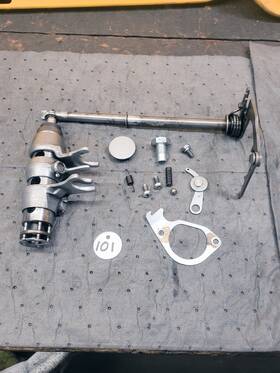
( Part Type: Cam Shaft Fork ), ( Vintage Part: Yes ), ( Country Of Origin: Japan ), ( UPC: 183181010100 )
Review YAMAHA Cam Shift Drum Shaft Fork See Fitment fits HS1 RD125 1968-76
The **Yamaha 183-18101-01-00** is a meticulously crafted, high-performance **Cam Drum Shaft Fork** designed exclusively for Yamaha s legendary **RD125** and **TA125** models produced between **1968 and 1976**, as well as the **HS1** and **AS2C** variants of the same era. This precision-engineered component is a key element in the suspension system of these iconic Japanese motorcycles, ensuring optimal handling, stability, and ride quality. The shaft fork is constructed from **high-grade steel**, forged to exacting tolerances to withstand the demands of both street riding and light off-road use, a hallmark of Yamaha s engineering prowess during the golden age of motorcycle manufacturing. Its **smooth, polished surface** and **precision-machined threads** guarantee a secure and reliable fit, reducing wear and tear on the surrounding suspension components while maintaining the original ride feel that enthusiasts cherish. Whether restoring a classic bike to its former glory or upgrading an existing setup for improved performance, this **OEM replacement part** ensures authenticity and durability, allowing riders to experience the unmistakable balance and responsiveness that defined Yamaha s early road racing and sport-touring motorcycles. The **1968 1976 production range** compatibility makes it a versatile choice for collectors, restorers, and performance-minded riders seeking to preserve or enhance the mechanical integrity of these timeless machines.
### Yamaha RD125/TA125 (HS1/AS2C/YAS1C) 1968 1976 Model Overview
The Yamaha RD125/TA125 series (including the HS1, AS2C, RD125, and Yas1C) from 1968 to 1976 represents an early but influential era in Yamaha s motorcycle production. These bikes were designed for affordability, simplicity, and reliability, catering to entry-level riders and practical urban/commuter use. Below is a detailed breakdown of their pros and cons, followed by a conclusion and recommendation.
---
### **Pros**
1. **Affordability and Value**
- These bikes were originally priced as budget-friendly machines, and even decades later, they remain relatively inexpensive to acquire, especially in the used market. Restoration costs can be low if the bike is in decent condition.
- Parts are widely available due to their popularity and longevity in production. Yamaha s early models have a strong aftermarket support, with aftermarket parts, kits, and rebuild services abundant.
2. **Simplicity and Durability**
- The design is straightforward, with a single-cylinder, air-cooled engine (250cc in some variants, but the RD125/TA125 typically refers to 125cc). This simplicity translates to easier maintenance and fewer points of failure compared to more complex modern bikes.
- The drivetrain (chain and sprocket) and basic suspension (drum brakes, drum shaft fork) are robust and designed for durability. Many of these bikes were built to last with minimal upkeep.
- The engine is known for its reliability, especially if it has been properly maintained. The lack of complex electronics or advanced fuel injection means fewer things can go wrong over time.
3. **Lightweight and Maneuverable**
- These bikes are small and lightweight, making them ideal for urban riding, parking in tight spaces, and easy handling. They are perfect for riders who prioritize agility over power.
- The low seat height (typically around 28 30 inches) makes them accessible to shorter riders or those who prefer a more upright riding position.
4. **Historical and Nostalgic Appeal**
- For enthusiasts, these bikes hold historical significance as part of Yamaha s early success in the motorcycle industry. Owning one can be a point of pride for collectors or those who appreciate vintage machinery.
- The classic styling, with their rounded fenders, simple instrumentation, and minimalist design, appeals to riders who enjoy a retro aesthetic.
5. **Low Running Costs**
- Fuel efficiency is excellent by modern standards, as the small engine consumes very little gasoline. Maintenance costs are also low, especially if you perform basic upkeep yourself.
- Insurance and registration fees are typically lower than for modern sport or touring bikes.
6. **Modification Potential**
- While not as high-performance as modern bikes, these models can be modified to improve their character. Upgrades like aftermarket exhausts, carburetor tuning, or suspension adjustments are relatively straightforward.
- The engine can be tuned for better performance (e.g., porting, crankshaft balancing) without requiring expensive components.
7. **Easy to Ride and Learn On**
- The low power output (around 8 10 horsepower) makes them ideal for beginner riders. The bike is forgiving and easy to control, reducing the risk of accidents for new riders.
- The lack of advanced features (e.g., ABS, traction control) means there s less to distract or overwhelm a novice rider.
---
### **Cons**
1. **Outdated Safety Features**
- **Drum Brakes**: The drum brakes (front and rear) are less effective than modern disc brakes, especially in wet or heavy braking conditions. They are prone to fading and require more force to stop the bike effectively.
- **No ABS or Advanced Braking Systems**: Modern bikes have ABS and other safety features that these bikes lack, increasing the risk of skidding or loss of control in emergency stops.
- **No Modern Ergonomics**: The riding position is upright and less aerodynamic, which can lead to fatigue on longer rides. The lack of wind protection or advanced seating comfort is noticeable compared to modern bikes.
2. **Poor Weather Protection**
- These bikes offer minimal protection from the elements. There is no windscreen, and the bodywork is basic, leaving riders exposed to wind, rain, and debris.
- The lack of modern sealing and weatherproofing means rust can develop over time, especially in areas like the frame, swingarm, and suspension components.
3. **Limited Power and Performance**
- The 125cc engine is underpowered by today s standards, with only about 8 10 horsepower. This limits the bike s ability to handle higher speeds, overtaking, or carrying heavy loads comfortably.
- The single-speed transmission (in some models) or the limited gearing in others means there s little flexibility for different riding conditions. The RD125/TA125 typically has a 4-speed or 5-speed manual transmission, but the power delivery is still modest.
- Top speed is around 50 60 mph (80 95 km/h), which is adequate for urban or suburban use but restrictive for highway riding.
4. **Comfort and Ride Quality**
- The suspension (drum shaft fork) is basic and lacks the damping and travel of modern forks. This can lead to a bumpy ride, especially on rough roads or uneven surfaces.
- The seat is typically hard and narrow, which can cause discomfort on longer rides. There s no adjustable suspension or advanced ergonomics to tailor the ride to the rider s preferences.
- The lack of modern materials (e.g., aluminum frames, advanced coatings) means the bike can feel heavier and less refined than contemporary models.
5. **Reliability Issues with Age**
- While the engine is durable, older bikes may suffer from wear in the clutch, transmission, or bearings. The chain and sprocket can stretch over time, requiring frequent adjustment or replacement.
- Rust is a common issue, particularly in the frame, suspension, and exhaust. Salted roads or humid climates accelerate corrosion, which can compromise structural integrity if not addressed.
- Electrical systems (if present) may be unreliable, especially if the bike has been neglected. Modern bikes have more robust wiring and lighting systems.
6. **Emissions and Legal Restrictions**
- Many of these bikes were not designed to meet modern emissions standards. In some regions, they may require modifications (e.g., catalytic converters, emissions testing) to be legally road-legal, which can be costly and complex.
- Some areas have restrictions on older, less safe bikes, particularly for riders under a certain age. A 125cc bike may not be suitable for riders who need to meet higher power requirements for licensing.
7. **Limited Resale Value**
- Unlike modern bikes or highly sought-after classics, these Yamaha models do not hold significant resale value. They are primarily valued for their parts or as a project bike rather than an investment.
8. **Noise and Vibration**
- The engine and drivetrain produce noticeable vibration, which can be fatiguing over time. The lack of modern sound insulation means the ride can be noisy, especially at higher speeds.
- The exhaust note is raw and unfiltered, which may not appeal to riders who prefer quieter or more refined bikes.
---
### **Conclusion**
The Yamaha RD125/TA125 (HS1/AS2C/YAS1C) from 1968 1976 is a charming, affordable, and mechanically simple motorcycle that excels as a budget-friendly ride, a beginner s bike, or a project for enthusiasts. Its strengths lie in its reliability, low cost of ownership, and historical appeal, making it an excellent choice for riders who prioritize practicality, simplicity, and nostalgia over performance or modern comforts.
However, its limitations such as outdated safety features (drum brakes), poor weather protection, limited power, and basic ride quality make it less suitable for riders who demand high performance, long-distance comfort, or advanced safety technology. These bikes are best suited for urban commuting, casual riding, or as a learning tool, rather than for highway cruising or aggressive riding.
For the right rider someone who values affordability, simplicity, and the joy of riding a piece of motorcycle history the RD125/TA125 can be a rewarding and enjoyable machine. For others, the trade-offs in safety, comfort, and power may make it less appealing compared to modern or mid-range bikes.
---
### **Recommendation**
**Buy if:**- You are a beginner rider looking for an affordable, easy-to-handle bike.
- You prioritize low running costs and parts availability over performance.
- You enjoy vintage or classic motorcycles and appreciate their historical significance.
- You plan to use the bike primarily for short, urban trips and do not require high speeds or long-distance comfort.
- You are willing to invest time in maintenance or restoration to keep the bike in good condition.
**Avoid if:**- You need a bike for highway riding or high-speed travel.
- You prioritize modern safety features (disc brakes, ABS, traction control).
- You require comfort for long rides (e.g., adjustable suspension, wind protection, ergonomic seating).
- You are looking for a bike with significant resale value or high performance.
- You live in an area with harsh weather conditions (e.g., heavy rain, salted roads), as rust and corrosion can be major issues without proper care.
**Final Verd
Details:
CAME OFF A 1970 YAMAHA HS1 WITH 6203 MILES. BUILD DATE 7/70. In good usable condition, FITMENT: AS2C - 1969 HS1 1970 HS1B 1971 LS2 1972 RD125B 1975 RD125C 1976 TA125 TA125A 1974 TA125B YAS1C 1968.
part #: 183181010100 prices
- $13.44-$48.76
specifications transmissioncycleoi:
- for models: Hs1, Rd125
- for makes: Yamaha
- for years: 1968-76
- part type: Cam Shaft Fork
- vintage part: Yes
- country of origin: Japan
- upc: 183181010100
general transmissioncycleoi:
- Motorcycle Scooter Parts Accessories > Transmission Drivetrain > Other Transmission Drivetrain Parts
- condition: Used
payments transmissioncycleoi:
- other
- credit card: Visa
- wallet: Apple-pay
returns transmissioncycleoi:
- paid by: Buyer
- time: 30 Days
- policy: Returns Accepted
shipping transmissioncycleoi:
- transit: 3-7 Days
- class: Standard
- cost: $0.00
- service: USPS Ground Advantage
- carrier: USPS
- type: Calculated
seller transmissioncycleoi:
- rating: 100.0%
- city: Spokane, Washington
- # reviews: 2807
offer transmissioncycleoi:
- options: Ship-to-home
- started: February 16, 2026
- quantity: 1
- availability: In Stock
- sold: 0
- best offers: True
Yamaha AS2C Is Similar To:
- 12r-17402-00-00 12r-17410-00-00 12r-18540-00-00 Yamaha Oem Engine Motor Transmission Tranny Gears Forks Drum (18.7% similar) The transmission is dirty. Free shipping listed flat rate prices are only good for the lower 48 states. Removed from: 1982 yamaha XS400 maxim with 16,488 miles please review all pictures to assess the condition of item. 2WHEELMORGUE yamaha XS400 oem engine motor transmission tyranny gears w forks...(October 18th, 2018)
- 12r-18120-01-00 Yamaha Oem Shifter Shift Shaft (42.6% similar) Removed from: 1982 yamaha XS400 maxim with 16,488 miles please review all pictures to assess the condition of item. The shift shaft is dirty. Free shipping listed flat rate prices are only good for the lower 48 states. 2WHEELMORGUE 1982 yamaha XS400 oem shiftier shift shaft this is in very good ...(October 18th, 2018)
- 13s-14490-10-00 Not Specified Yamaha Yzf Shaft Assy (21.9% similar) Removed from: Honda with miles please review all pictures to assess the condition of item. World wide parts 2018 yamaha SF r6 shaft assay 13S this is in very good condition and shows normal signs of wear...(September 28th, 2018)
- 164-18571-01 Yamaha Shift Cam Holder For Atmx (31.4% similar) Yamaha part number includes what you see in the actual photo. Fits yamaha YCS1 year 1968 , AT1 years, CT1 g6 1970 , HT1 AT2 1972 , g7 AT3 ATM 1973 , DT125 and RS100. Genuine yamaha oem. Yamaha shift cam holder for YCS1 AT1 CT1 g6 HT1 AT2 g7 AT3 ATM DT125 RS100 new...(June 13th, 2018)
- 16g-18540-00-00 Yamaha 1982 Xj750rj Shift (27.9% similar) Or visit our for tons of great deals on new and used parts. Some bags could be ripped or may have been taped up, hardware missing. Item: 4913: please review all of the photos. Everything shown is included...(January 10th, 2018)
- 170-18351-00 Yamaha Shift Cam Fitting Plate New Old Stock (25% similar) Yamaha shift cam fitting plate new old stock this plate,cam is also used on these model's and components: 1967 YDS5 SHIFTER 1967 YM2C SHIFTER1969 DS6C shiftier a 1970 DS6B TD2 CAM-FORK1971 TD2B cam-fork...(October 16th, 2018)
- 1c3-18140-00-00 Yamaha Shift Cam Stopper Lever Assembly Used (27.1% similar) Or visit our for tons of great deals on new and used parts. Item: 6848: please review all of the photos. Everything shown is included. Some bags could be ripped or may have been taped up, hardware missing...(May 23rd, 2018)
- 1c3-18512-00-00 3xv-18531-00-00 Yamaha Yz Stroke Shift Forks Pin Fork Set (32.1% similar) GSR veers 823 gs I will try my hardest to respond quickly and appropriately your problems. 2018 yamaha YZ125 Z stroke shift forks pin fork set here is a of off 2010 . Combined shipping:i do combine shipping...(May 7th, 2018)
- 1c3-18541-00-00 Yamaha Yz Stroke Shift Drum Cam Selector (35.8% similar) Combined shipping:i do combine shipping yamaha YZ125 Z stroke shift drum cam selector here is a off 2010 . I will try my hardest to respond quickly and appropriately your problems...(May 7th, 2018)
- 1j7-18101-02-00 Yamaha Oem Shifter Shift Shaft (42.6% similar) Removed from: 1980 yamaha XS850 with about miles please review all pictures to assess the condition of item. Re motor cycle parts this shift shaft is in good condition and shows normal signs of wear...(February 26th, 2018)
- 1j7-18122-03-00 Yamaha Oem Shifter Shift Lever (32.6% similar) Removed from: 1980 yamaha XS850 with about miles please review all pictures to assess the condition of item. Re motor cycle parts this shift lever is in good condition and shows normal signs of wear...(February 26th, 2018)